
Behavior Health

Understand the whole student

Support a restorative, student-centered approach to behavior, with workflows that reflect how schools actually operate.

The Problem

Most behavior systems focus on the wrong things
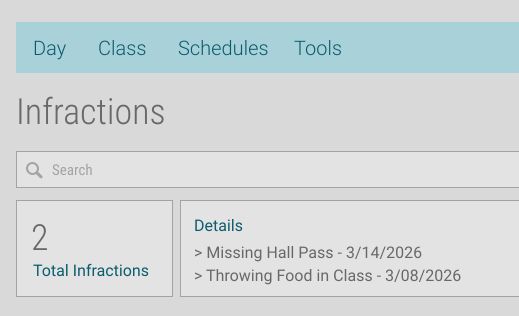
Traditional systems are built around:

logging incidents
assigning consequences

Traditional discipline asks:

What rule was broken?
What’s the punishment?

But they often miss what matters most:

context
patterns over time
what support has already been tried
how teams are coordinating support
Restorative Approach

Schools are changing, but systems haven't quite caught up.

Restorative approach asks:

What happened, and why?

How was our community affected?

What support is needed?

How do we move forward?

What skills do we need to build

The Gap

Schools are changing, but systems haven't quite caught up.

Even schools that are committed to a restorative approach often run into the same challenges:

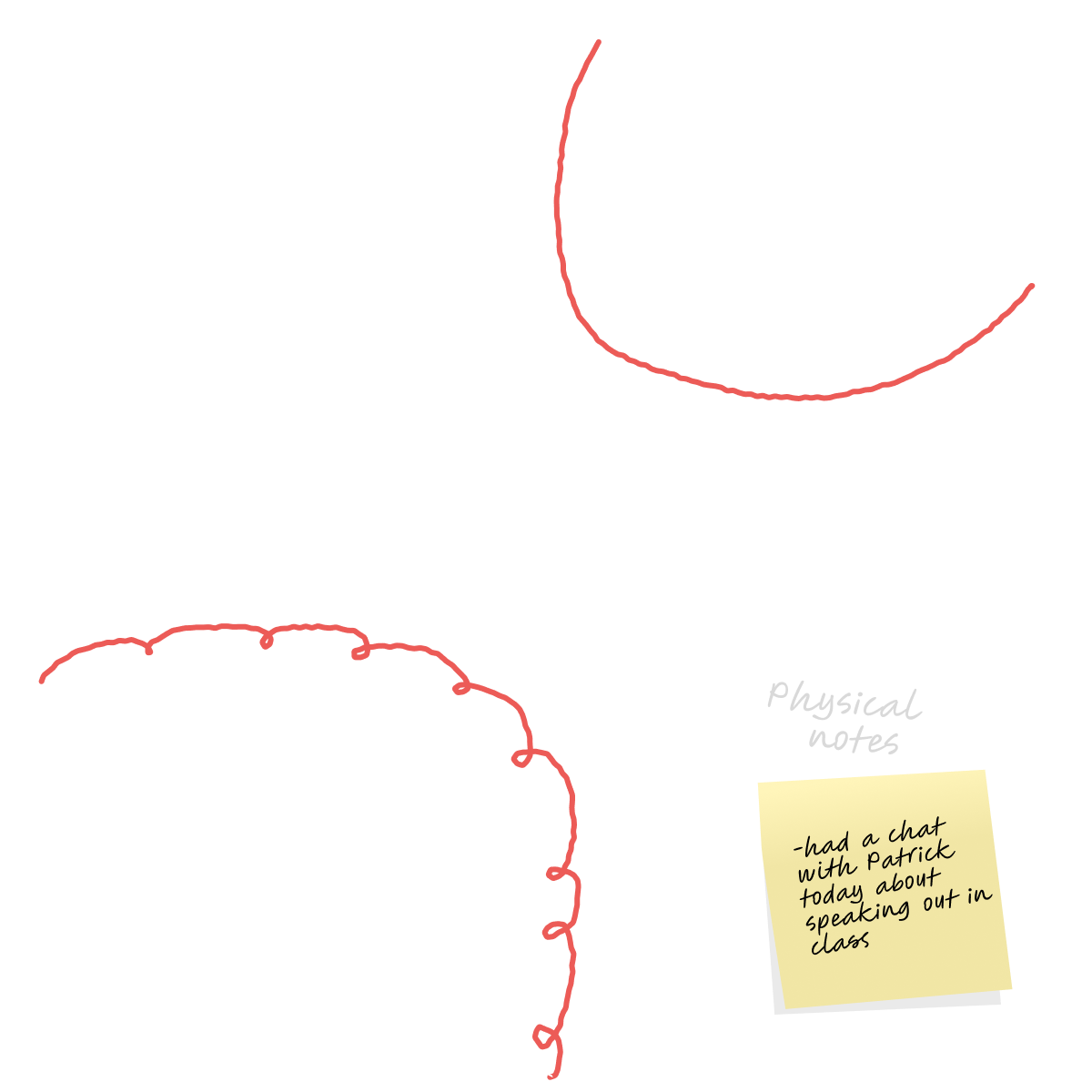
documentation that varies from person to person

follow-up that’s hard to track


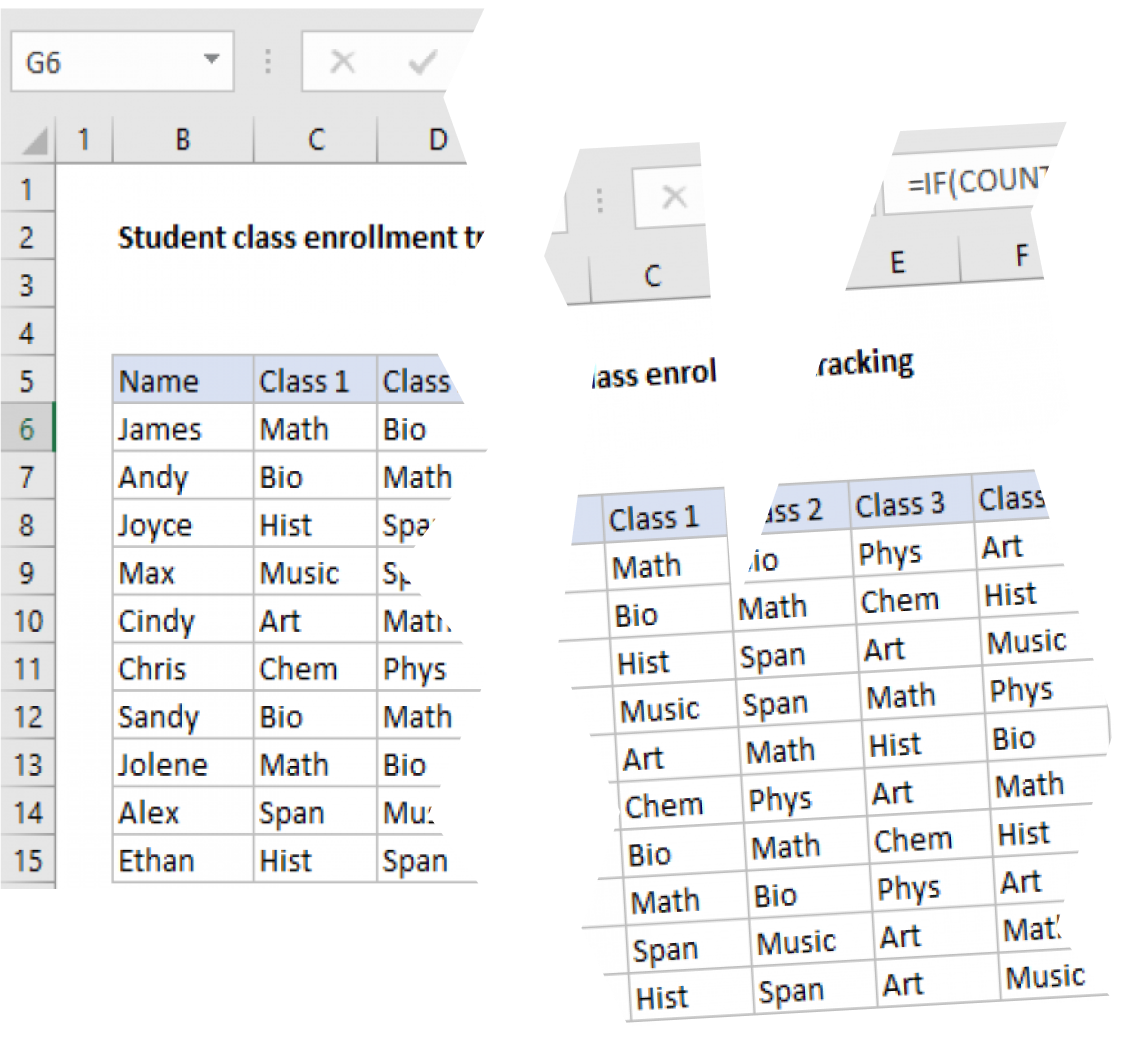
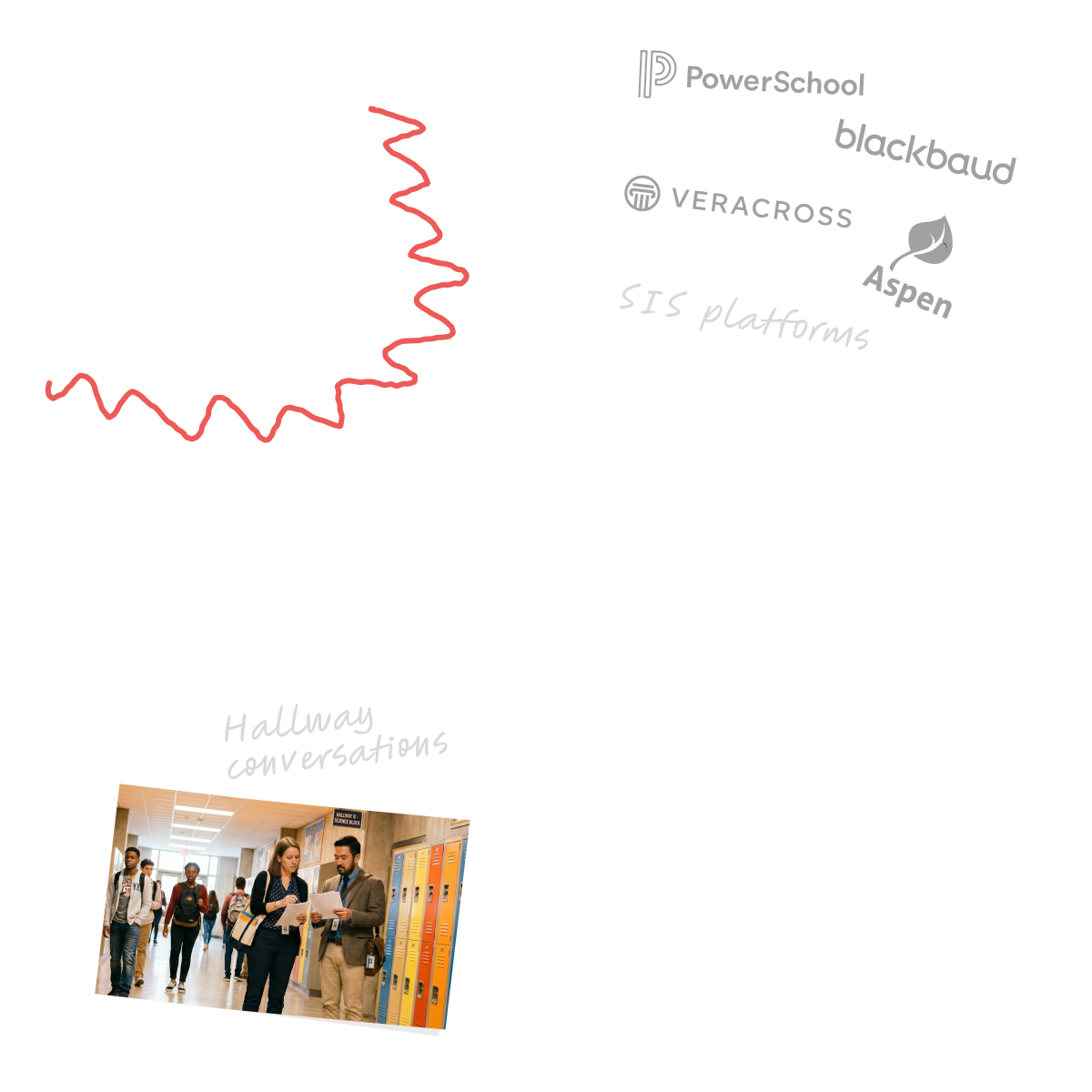
information spread across different systems

limited visibility into the full picture

The Solution

Bring behavior into the broader student support picture

In August, behavior isn’t treated as something separate.

It lives alongside counseling, health, and learning support, so you can understand situations in context, not in isolation.

See it in action

How it works

I plan to have this poriton of the page to freeze as the list scrolls, so feel free to change this copy to a high-level sentence on how it works.

1

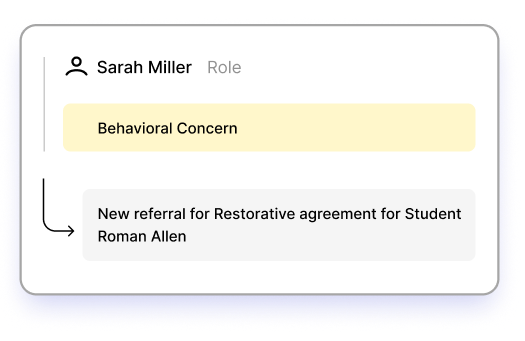
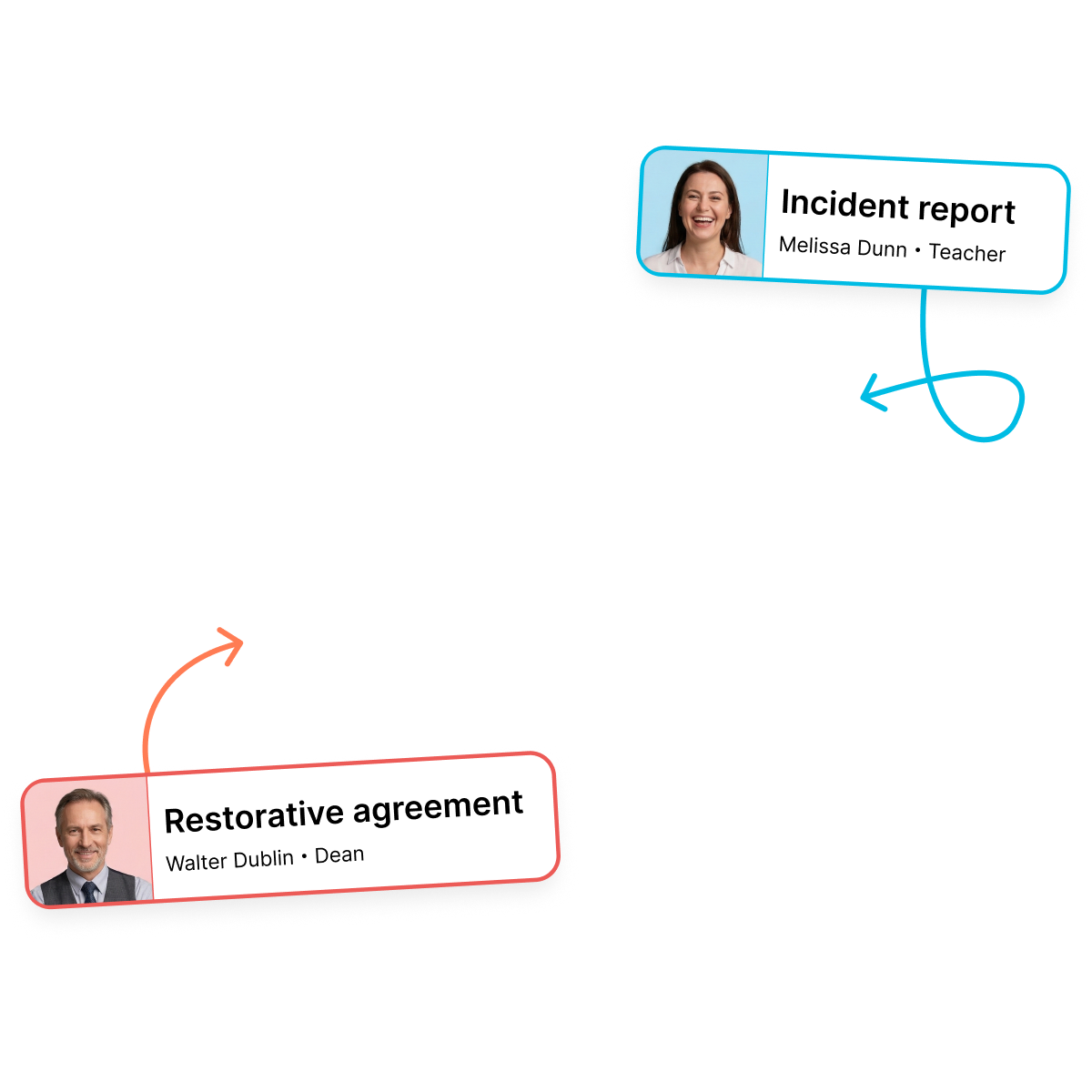
Information comes in through referrals

Teachers can quickly share:

  • behavior concerns

  • incidents

  • positive moments

Simple, structured, and easy to use.

2

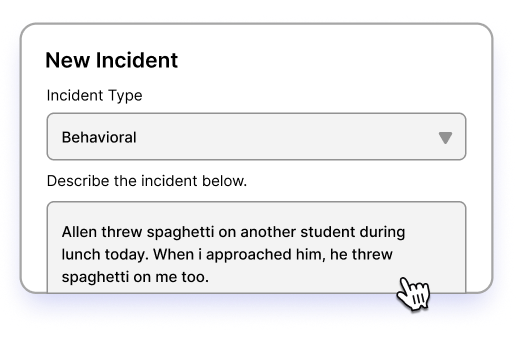
Incidents are documented consistently

Templates help capture:

  • what happened

  • who was involved

  • what's been tried

So context isn't lost later.

3

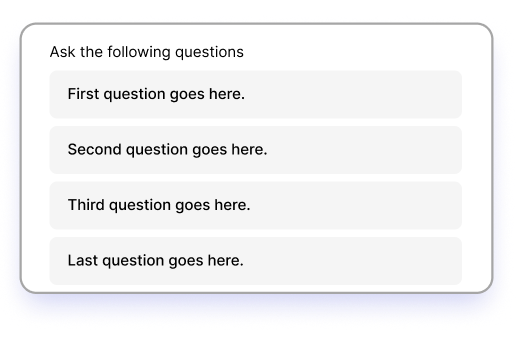
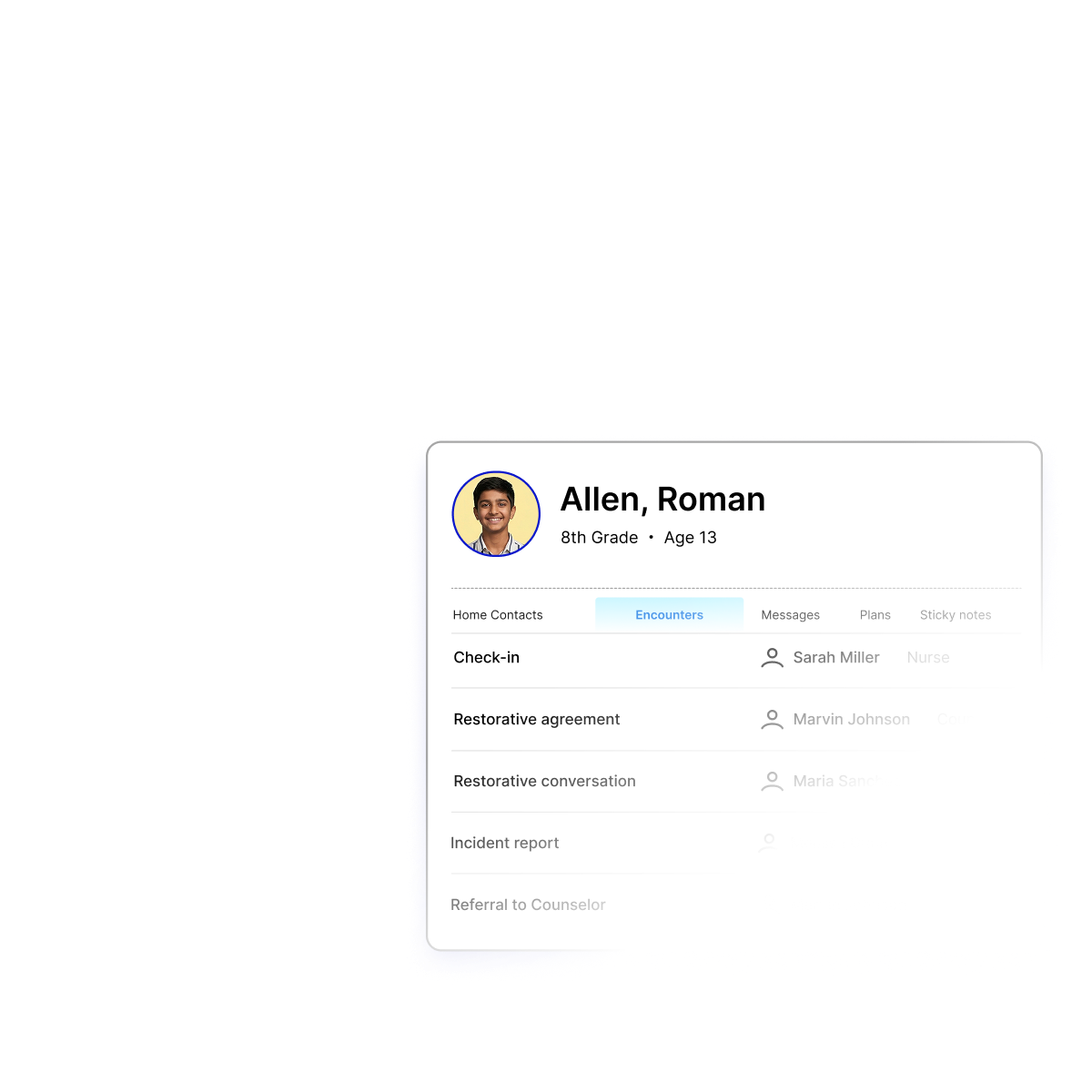
Restorative workflows guide the response

Support for:

  • restorative meetings

  • restoative agreements

  • re-entry preparation

  • follow-up

So teams can move beyond just reacting to incidents.

4

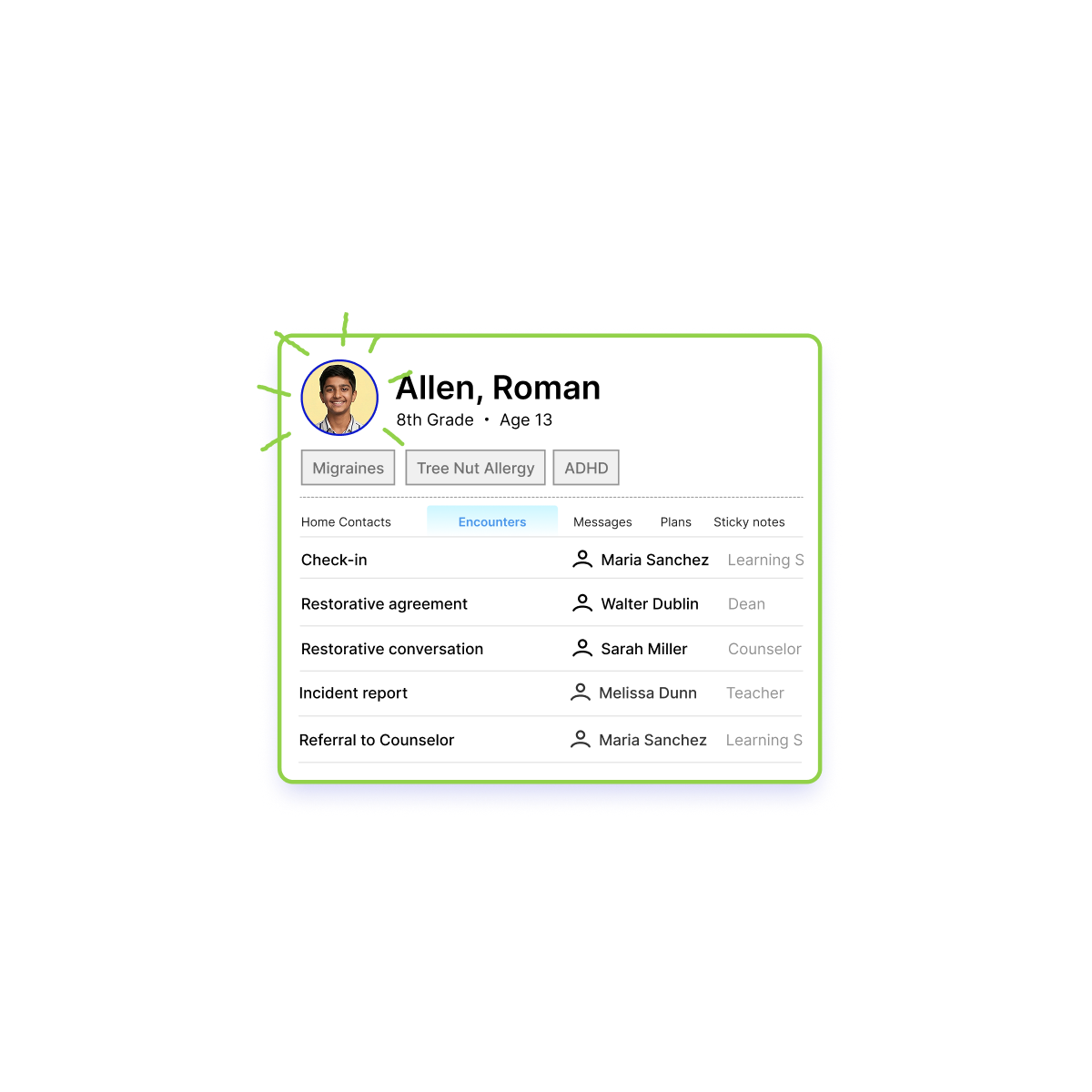
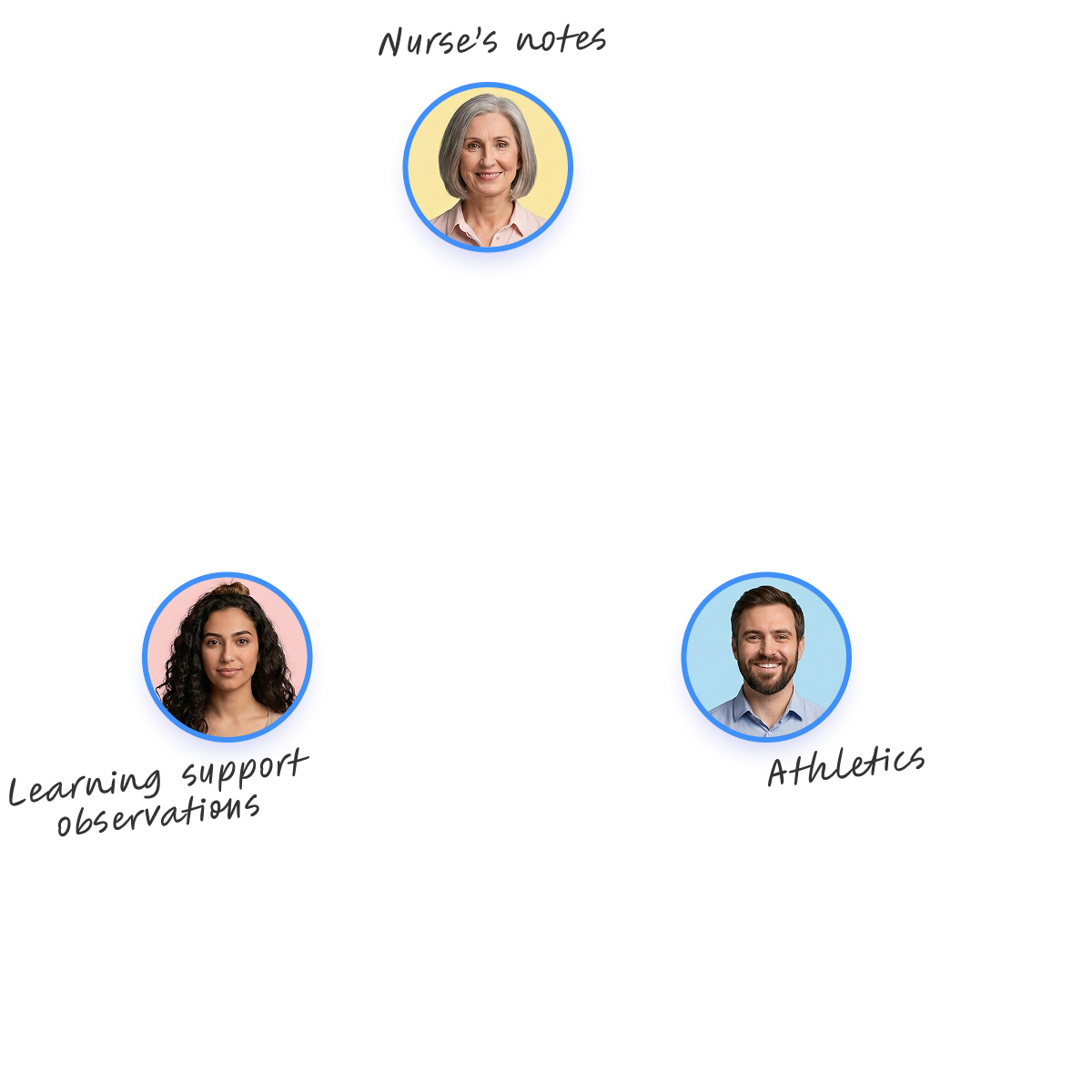
You can see the broader context

Behavior connected to:

  • counseling

  • health

  • learning support

5

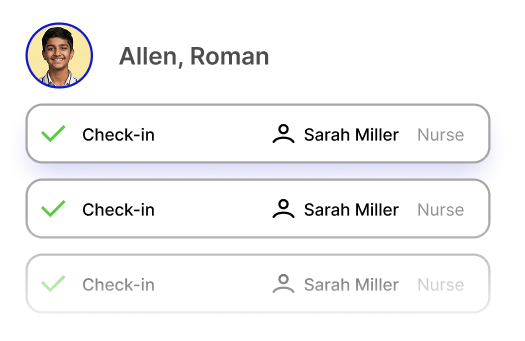
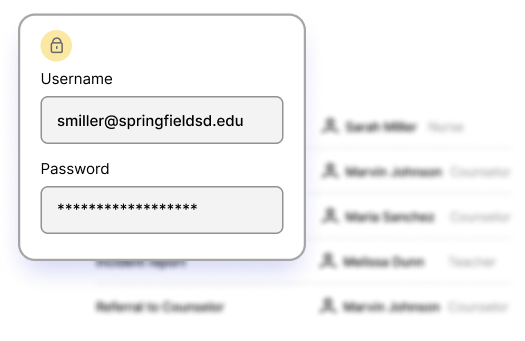
With privacy built in

You can see that support is happening, without access to sensitive details.

6

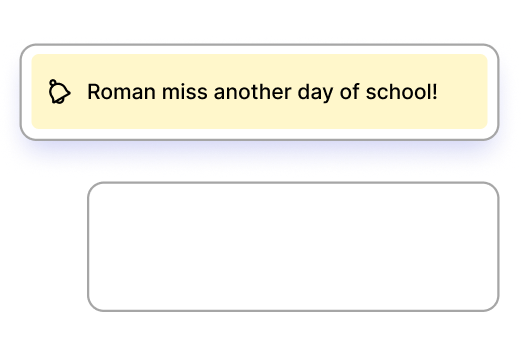
Attendance adds another signal

Early alerts help surface patterns before they escalate.

Built for how schools actually want to handle behavior

This isn’t about tracking infractions more efficiently. It’s about supporting a more consistent, coordinated, and thoughtful approach, one that reflects how schools are already trying to work.
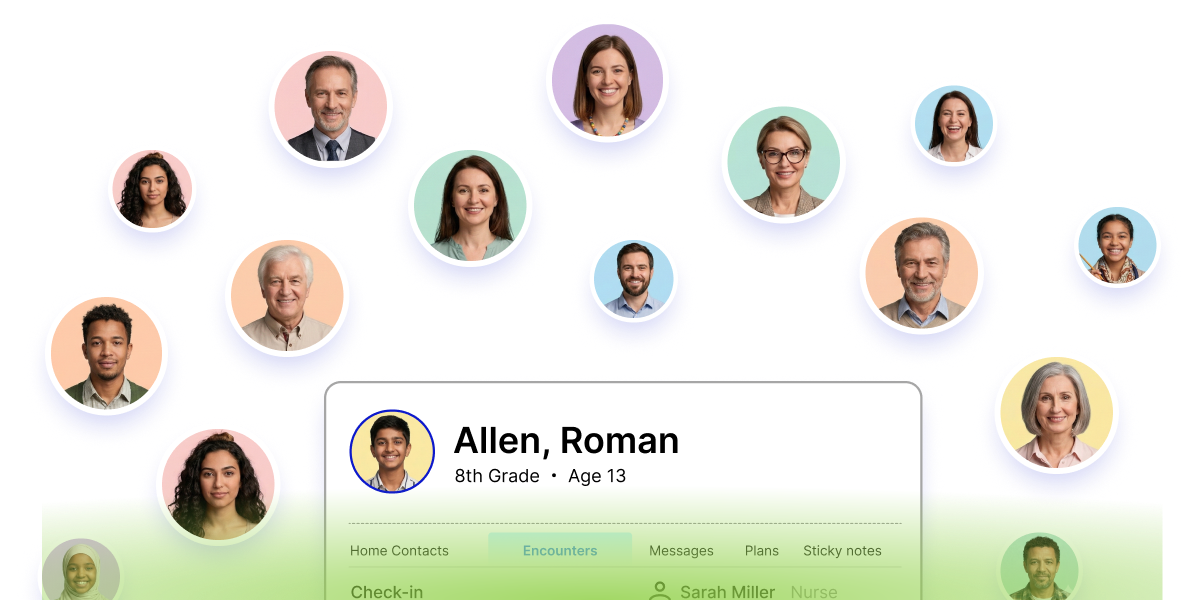

Support a more connected approach to behavior

A simple, integrated way to gather feedback from students, parents, and faculty, and turn it into actionable insights that strengthen wellbeing, culture, and engagement.